
Google Ads – A COMPLETE INTRODUCTION
In today’s digital-first world, businesses need effective ways to reach the right audience at the right time. Google Ads is one of the most widely used online advertising platforms that helps businesses promote their products and services across Google’s ecosystem.
WHAT IS GOOGLE ADS ?
Google Ads is Google’s online advertising platform that allows businesses to display paid advertisements to potential customers. Advertisers can target users based on factors such as keywords, location, interests, demographics, search behavior, and devices.
One of the major advantages of Google Ads is that businesses can reach people who are already searching for products or services related to what they offer.
For example, if someone searches for “best digital marketing agency in Kerala,” a relevant business can use Google Ads to appear prominently in the search resul
HOW DOES GOOGLE ADS WORK ?
Google Ads mainly works through an auction system. When a user performs a search that matches an advertiser’s targeting, Google determines which ads are eligible to appear and in what position.
The process considers factors such as:
- Bid amount
- Ad relevance
- Landing page experience
- Expected impact of ad assets
- Overall ad quality
Therefore, having the highest bid does not always guarantee the top ad position. Google also considers the relevance and quality of the advertisement.
Major Types of Google Ads
Google provides different campaign types depending on the advertising objective.
- Search Ads
Search Ads appear on Google Search when users search for specific keywords. They are particularly useful for businesses looking to generate leads, enquiries, calls, or sales.
- Display Ads
Display Ads appear across websites, apps, and other Google Display Network placements. They are useful for brand awareness, remarketing, and reaching potential customers visually.
- Video Ads
Video advertising allows businesses to promote their products and services through platforms such as YouTube. These ads can be effective for brand awareness, product demonstrations, and storytelling.
- Shopping Ads
Shopping Ads showcase products with information such as product images, names, prices, and store details. They are mainly designed for e-commerce businesses.
- App Campaigns
App campaigns help businesses promote mobile applications and encourage users to install or engage with an app.
- Performance Max
Performance Max campaigns allow advertisers to access multiple Google advertising channels through a single campaign. They use Google’s automation and machine learning to help optimize campaigns toward the advertiser’s chosen goals.
Benefits of Google Ads
Google Ads offers several advantages for businesses of different sizes.
Targeted Reach: Businesses can target specific audiences based on keywords, location, demographics, interests, and other signals.
Measurable Results: Advertisers can track important metrics such as impressions, clicks, conversions, cost, and return on ad spend.
Budget Control: Businesses can set campaign budgets and manage how much they are willing to spend.
Fast Visibility: Unlike organic search strategies, paid search advertising can provide visibility in search results soon after a campaign becomes eligible to run.
Flexible Optimization: Campaigns can be continuously monitored and adjusted based on performance data.
Important Google Ads Metrics
Understanding advertising metrics is essential for managing campaigns effectively.
- Impressions: Number of times an ad is shown.
- Clicks: Number of times users click on an advertisement.
- CTR (Click-Through Rate): Percentage of impressions that resulted in clicks.
- CPC (Cost Per Click): Average amount paid for each click.
- Conversions: Valuable actions completed by users, such as purchases, form submissions, or calls.
- Conversion Rate: Percentage of users who completed a desired conversion after interacting with an ad.
- CPA (Cost Per Acquisition): Average cost of generating a conversion.
- ROAS (Return on Ad Spend): Revenue generated in relation to advertising spend.
Google Ads vs. Organic SEO
Google Ads and Search Engine Optimization (SEO) are both important digital marketing strategies, but they work differently.
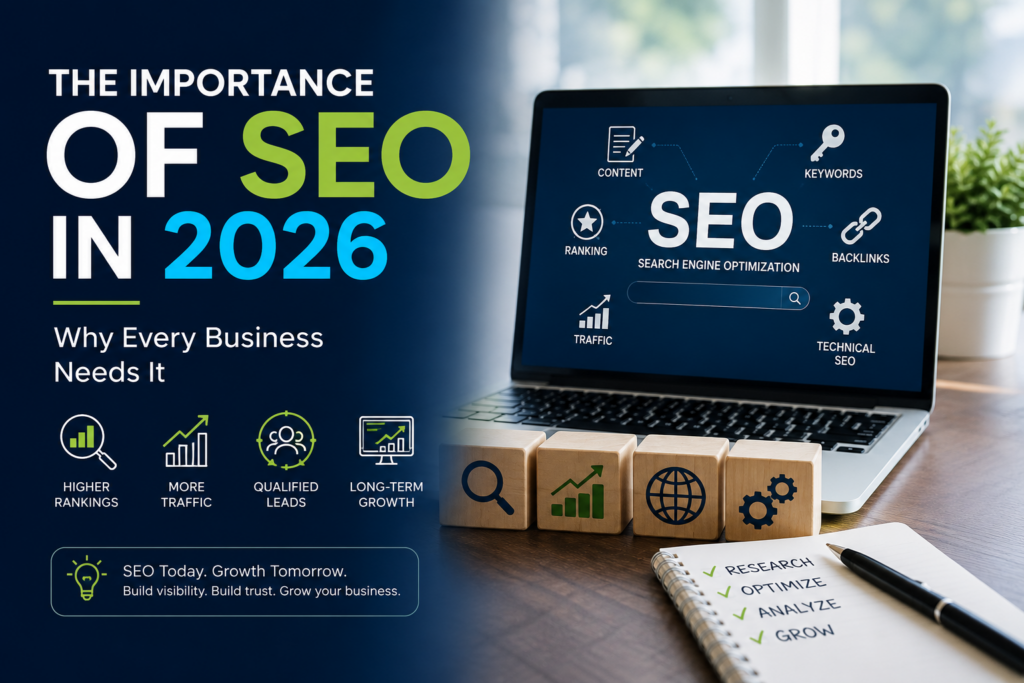
Google Ads provides paid visibility, while SEO focuses on improving a website’s organic ranking in search engines. Google Ads can provide quicker visibility, whereas SEO generally requires consistent effort and time to build sustainable organic traffic.
For many businesses, combining Google Ads + SEO + quality content can create a stronger overall search marketing strategy.
Best Practices for Google Ads
To improve campaign performance, advertisers should:
- Conduct proper keyword research.
- Write relevant and compelling ad copy.
- Use appropriate keyword targeting and match types.
- Create dedicated, mobile-friendly landing pages.
- Track conversions correctly.
- Monitor campaign performance regularly.
- Test different ads and strategies.
- Optimize campaigns based on actual performance data.
- Avoid wasting budget on irrelevant searches.
Conclusion
Google Ads is a powerful pay-per-click (PPC) advertising platform that helps businesses connect with potential customers at different stages of the buying journey. With proper targeting, compelling advertisements, relevant landing pages, accurate conversion tracking, and continuous optimization, Google Ads can become an important part of a successful digital marketing strategy.
For businesses that want to increase website traffic, generate leads, drive sales, or build brand awareness, understanding and using Google Ads effectively can provide significant opportunities in the competitive digital marketplace.